Short answer: Data residency is deciding, before the build, where a system's data is stored and who can reach it. The UAE's personal data law, Federal Decree-Law No. 45 of 2021, sets requirements for cross-border transfer. Your options include a UAE cloud region, your own cloud account or managed private servers. This is not legal advice.
What does the UAE's personal data law cover?
The UAE's federal personal data protection law is Federal Decree-Law No. 45 of 2021, usually called the PDPL. According to the UAE government portal, it came into force on 2 January 2022, and it applies to the processing of personal data, in full or in part through electronic systems, inside or outside the country (u.ae: Data protection laws).
The same page says the law prohibits processing personal data without the owner's consent except in certain cases, gives data owners rights such as asking for corrections, and sets out the requirements for the cross-border transfer and sharing of personal data. It also says the UAE Data Office acts as the federal data regulator.
That is where this guide stops on the law. The detailed transfer conditions are something to confirm with your legal adviser, because they depend on your data and your sector. We are an engineering company, not a law firm.
Do free zones have their own rules?
Some do. The same government page lists the Data Protection Law, DIFC Law No. 5 of 2020, among related laws. If your company sits in a free zone with its own data law, ask your legal adviser which rules apply to you. We name it here so you know to ask, and we do not interpret it.
What is data residency, and why does it matter for a new system?
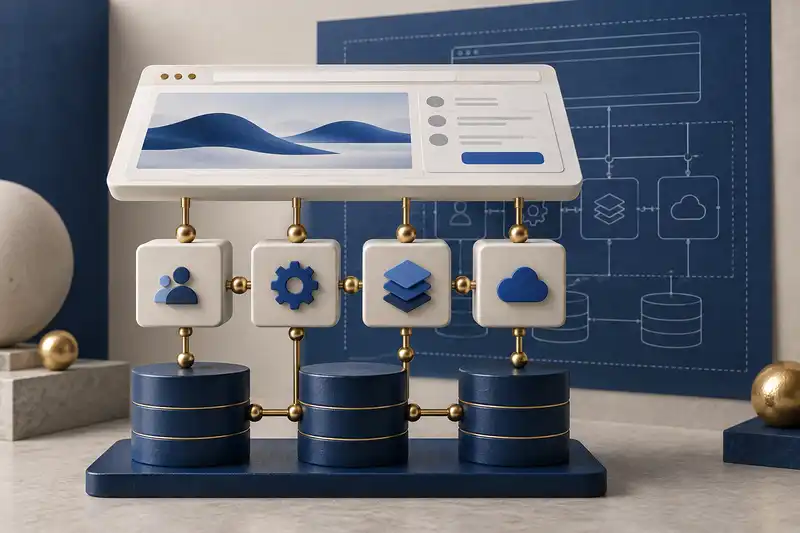
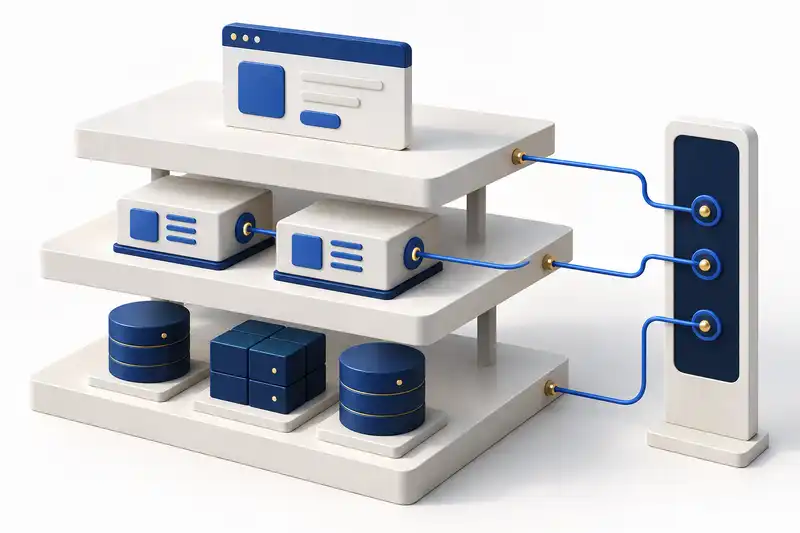
Data residency means where your data physically sits and which laws and parties can reach it. It matters because it is far cheaper to decide at the start than to move a live system later. The choice affects the cloud region you use, how backups are stored, which tools process your documents, and which suppliers you rely on.
For AI features, ask one more question: which provider processes the text, and where. We choose providers per project, and in-region model hosting is something we confirm for each offer, not assume.
What are your hosting options?
| Option | Where the data sits | Who controls it | Best when |
|---|---|---|---|
| Cloud region in the UAE | In-country, in a public cloud region | You or the vendor, within the provider's terms | You want in-country hosting with managed services |
| Your own cloud account | In the region you choose, in your account | You, with access given to the vendor | Your IT team wants control and audit access |
| Private servers managed by Vloud | On servers you choose, managed through our control panel | You, with our team managing | You want dedicated infrastructure without running it yourself |
| Hosting outside the UAE | Another country | The provider, within its terms | Rarely the first choice for sensitive business data |
We can host on Azure, AWS or private servers managed by Vloud, or deploy to your own cloud account. For Azure we use the UAE North region. Vloud is in public beta, and we describe it that way. Hosting scope, support and operational ownership are agreed during scoping and are project-specific.
What should you decide before the build starts?
Settle these six points in the written scope:
- What data will the system hold? Personal data, financial records, drawings, customer details.
- Where must it be stored? A UAE region, your own account, or on private servers.
- Who can access it? Roles and permissions are designed at the architecture stage, not added at the end. See architecture first, explained for buyers.
- Which third parties touch it? Cloud providers, AI providers, messaging and analytics tools.
- How are backups handled? Where they are stored and who can restore them.
- What happens when you leave? In what form you can export your data, and who deletes what.
How do owners often get this wrong?
Two patterns come up again and again, and this is the author's view. The first is picking a hosting option by habit, then discovering a requirement later that needs a rebuild. The second is treating "the cloud" as one place, when the region, the account and the supplier all matter.
We are happy to work through your security questionnaire and sign an NDA before the first call. We do not offer certifications we do not hold, and we do not promise legal compliance on your behalf.
FAQ
Does the PDPL mean all my data must stay in the UAE?
We cannot say that for your case. The government portal says the law sets out requirements for cross-border transfer and sharing of personal data. The detailed conditions depend on your data and sector, so confirm them with your legal adviser.
Can the system be hosted in the UAE?
Yes. We can host in the UAE North region on Azure, in your own cloud account, or on private servers managed by Vloud. We confirm the exact setup in the written proposal.
Can I use AI features and keep documents in-country?
It depends on which provider processes the text and where. We confirm provider terms and processing location for each offer, and we leave out any locality or privacy promise we cannot back up. See our AI service.
Who owns the data in the system you build?
You do. Customer data in our products belongs to the customer, and for custom systems you own the source code and the data. Export and deletion terms are set in the agreement.
Can you host and run a system built by another team?
Yes. We review how it is deployed today, then agree the hosting, monitoring and support scope with you. Scope is project-specific. See cloud and infrastructure engineering.
Planning where your data will live?
Book a free 30-minute discovery call and bring your requirements. We will set the options out in writing.