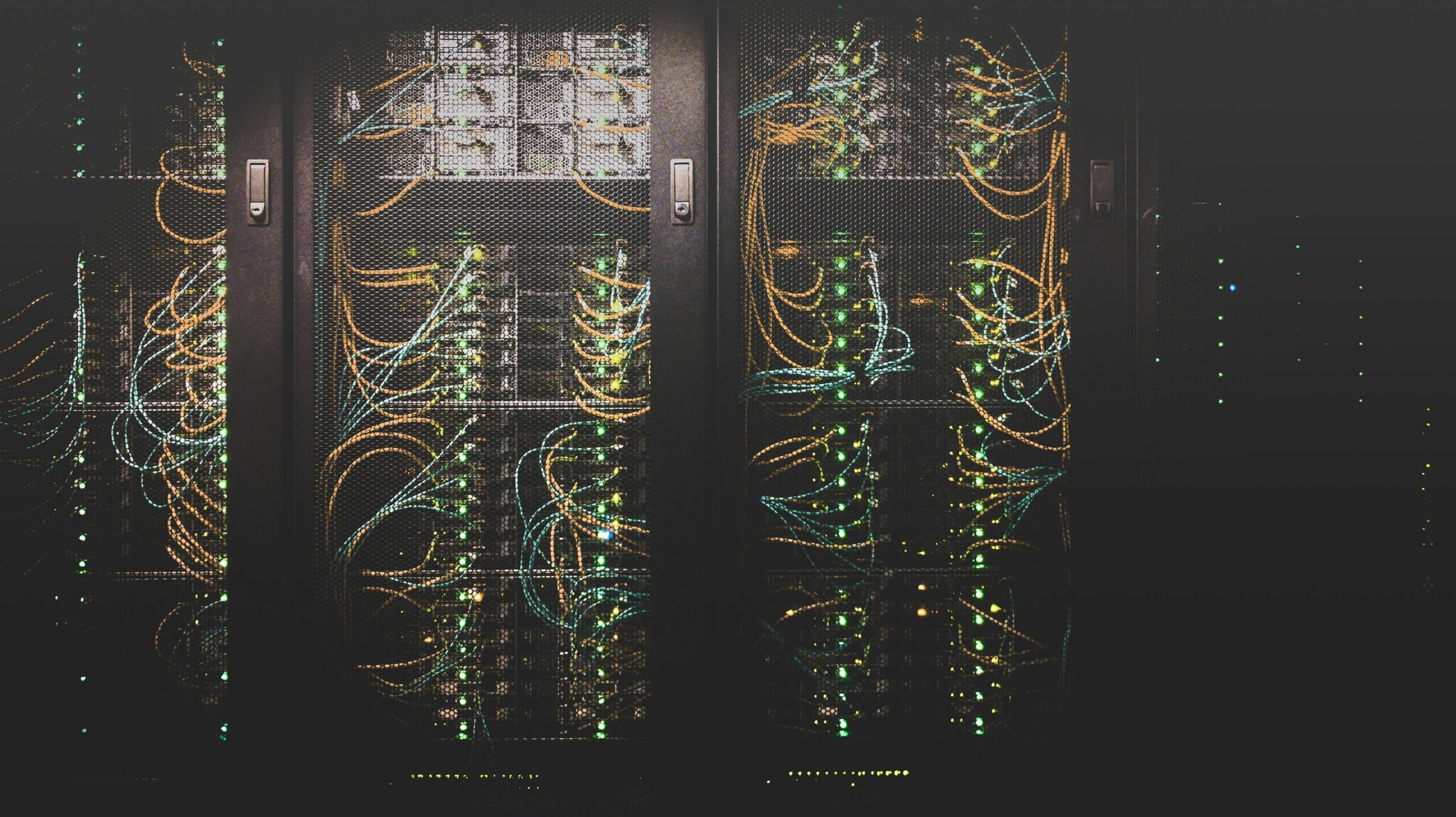
High-speed Networking: The speed and reliability of network connections directly impact how quickly and efficiently employees can access the information and tools they need to do their jobs. Advanced networking technologies like fiber optics and 5G wireless networks are game-changers in this regard.
Cloud Computing: Cloud services offer scalable, flexible access to computing resources, applications, and storage. By leveraging the cloud, businesses can ensure that their teams have access to the data and tools they need, anytime and anywhere, fostering a more agile and productive workforce.
Data Management and Analytics: Robust IT infrastructure facilitates effective data management and analytics, empowering businesses to make informed decisions quickly. Real-time data analytics can drive productivity by identifying inefficiencies, predicting trends, and enabling data-driven strategies.
Security and Reliability: A secure and reliable IT infrastructure minimizes downtime and protects against data breaches. Ensuring data integrity and system availability keeps operations smooth and employees productive, without the disruptions of security incidents or system failures.
Collaboration Tools: Modern IT infrastructure supports a suite of collaboration tools that enable teams to work together seamlessly, regardless of their physical location. Tools that facilitate video conferencing, real-time document editing, and project management are critical for maintaining productivity in the digital workplace.